Larijani: Iran will continue to confront the United States and Israel and calls on Islamic countries to review their positions
Fady Mahouly
18:58 · 16 March 2026
2 min read
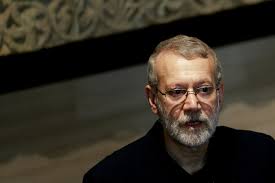
أكد علي لاريجاني أن طهران تعرضت، خلال مسيرة التفاوض، لما وصفه بـ«هجوم أمريكي صهيوني غادر» رمى إلى تفكيك وحدة البلاد.
He stressed that the Iranians' steadfastness enabled the Islamic Republic to overcome that stage and strategically confuse its opponents.
He explained that the realistic support that Iran received from Islamic countries was limited, and was mostly limited to protocol diplomatic positions, with a few exceptions.
He pointed out Tehran's insistence on an approach of confrontation and resistance against Washington and Tel Aviv.
The Iranian official wondered about the “clear discrepancy” in the policies of some Islamic governments, noting that many countries considered Iran an adversary after it targeted American and Israeli bases and interests located on their territories.
Larijani also criticized calls for Tehran to remain silent, at a time when American military bases are being used in some countries to launch attacks against it.
In his description of the nature of the conflict in the region, he explained that the conflict is between the “American-Israeli axis” on the one hand and “Iran and the resistance forces” on the other hand, inquiring about the position of Islamic countries in this equation.
Larijani called on the leaders in the Islamic world to “review their paths and think about the future of the region,” explaining that Tehran provides advice and does not seek to control, and that the Union of Islamic Nations is the basic pillar of the region’s stability, prosperity, and sovereignty of its countries.
← Previous article
"Forces": Practicing immunity will not succeed in returning Lebanon to the era of guardianship