Makhzoumi: The general amnesty must be comprehensive... and not be tailored to anyone’s needs
Fady Mahouly
11:25 · 19 July 2026
2 min read
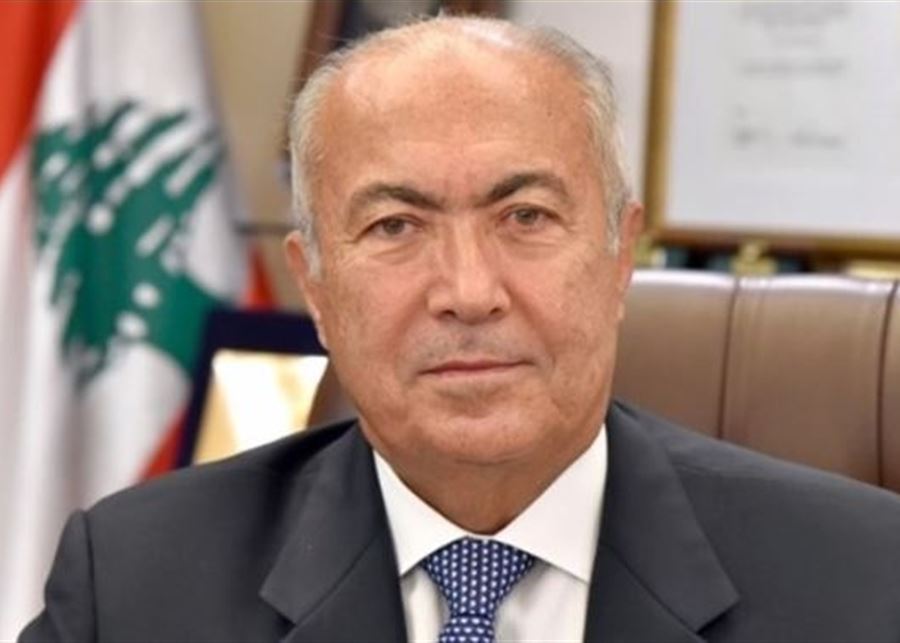
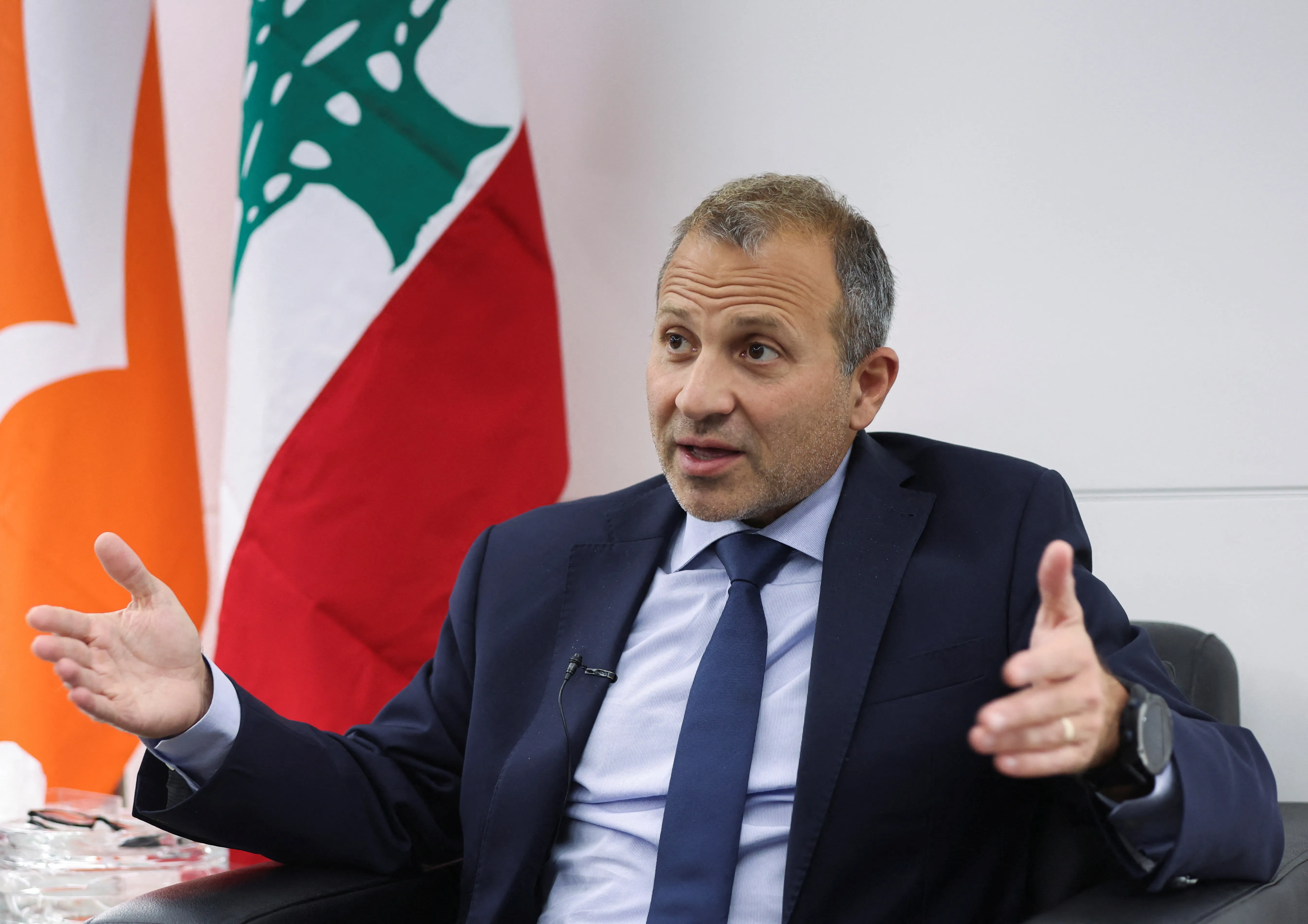
Representative Fouad Makhzoumi stressed that the general amnesty law must extend to all those detained since the date of the law’s adoption, and it cannot be approved on the basis of persons or groups politically supported by a specific party.
He added: The general amnesty is primarily aimed at dealing with the judicial injustice that affected the Islamist detainees, who were sentenced by the military court, which was controlled by Hezbollah, and before it the regime of Syrian President Bashar al-Assad, and the court was used to settle political scores. The general amnesty law must extend to everyone, be fair and comprehensive, and not discretionary or selective.
He pointed out that what happened yesterday in the House of Representatives session is sad, but the “March 8” team and its allies cannot be allowed to control the House, impose what they want, create a dispute, and accuse the other party of creating it.”
He said: “His Prime Minister Dr. Nawaf Salam met with a number of representatives who signed the draft law last Monday, after his return from Qatar, and some amendments were approved, which had they been approved in yesterday’s session, no representative would have boycotted the session.”
He continued: I boycotted the session on Thursday when I saw that things were not going within their fair framework, and it became clear that there was an attempt by some to pit the army against the Sunnis under the framework of passing some matters for the benefit of certain detainees and not the Islamist detainees.
Makhzoumi believed that the only way to resolve this crisis is what happened in 1992 and 1995, so that we will be faced with a general amnesty that extends to everyone, and then work will be done to support the independence of the judiciary and apply justice, and to dismantle the military court and restructure it to deal only with military affairs and not to interfere in civil affairs.”
← Previous article
Israeli security source: There is no presence of Mojtaba Khamenei in Iran