Al-Hajjar: Our priority lies in the Israeli withdrawal
Fady Mahouly
21:17 · 15 July 2026
3 min read
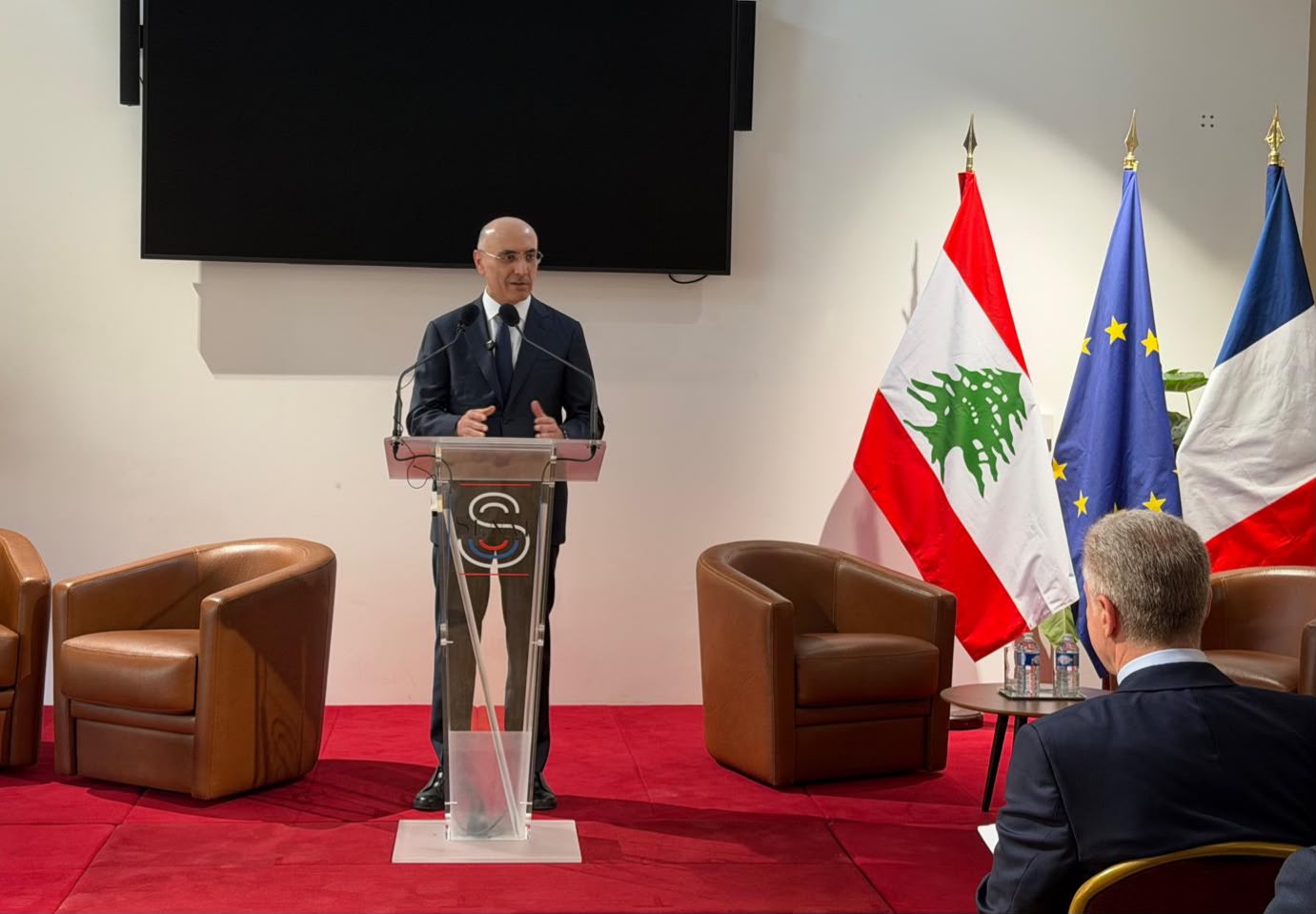
The Minister of the Interior and Municipalities, Ahmed Al-Hajjar, participated this evening in Paris, in a meeting at the invitation of the President of the French Senate, Gerard Larchet, under the title “Solidarity for Lebanon.”
Minister Al-Hajjar delivered a speech in which he said: “Lebanon has been going through a difficult phase for years, burdened by economic, financial and social crises, exacerbated by the repercussions of the war that was imposed on our country. However, Lebanon will rise again, with the will of its institutions and the patience of its people.
President Joseph Aoun was elected, the government was formed, and a solid will for reform was born with the support of the people of Lebanon and its international partners to turn the page on the crises and look towards the future. This effort is based, first and foremost, on the unified will to unite around one project: building the state.”
Minister Al-Hajjar stressed that "the priority of the Lebanese state today, through the diplomatic work led by the President of the Republic and the government, lies in achieving the Israeli withdrawal, ensuring the return of the displaced to their villages, recovering the prisoners and launching the reconstruction process."
He said: “This diplomatic effort, on the security level, is accompanied by a solid will on the part of the Lebanese state to strengthen its institutions and extend its authority over its entire territory, with its legitimate forces alone, first and foremost the Lebanese Army and the Internal Security Forces, in implementation of government decisions and in accordance with international resolutions - a tireless work that requires time, and calls for continuous and serious support from our friends.
This full sovereignty constitutes a guarantee that cooperation efforts with our French partners will bear fruit, for the good of the entire Lebanese people.”
Minister Al-Hajjar pointed out that "France stood by Lebanon in the most difficult stages, especially on the humanitarian level through its support for the Lebanese Civil Defense and the municipalities that play an essential role in managing crises and serving citizens."
He added: “From this standpoint, I would like to highlight the importance of the partnership between the French local authorities and the Lebanese municipalities, which constitute a basic pillar of the state and the closest to the citizens. After nine years of postponement, we were able to hold municipal and optional elections, which produced new municipal councils that need sustained support and partnership.”
← Previous article
After losing contact with him for months...the army mourns Patrick Antranik Bekarian