Kanaan: Great progress in the bank restructuring law... and depositors’ rights are a priority
Fady Mahouly
16:37 · 22 July 2026
3 min read
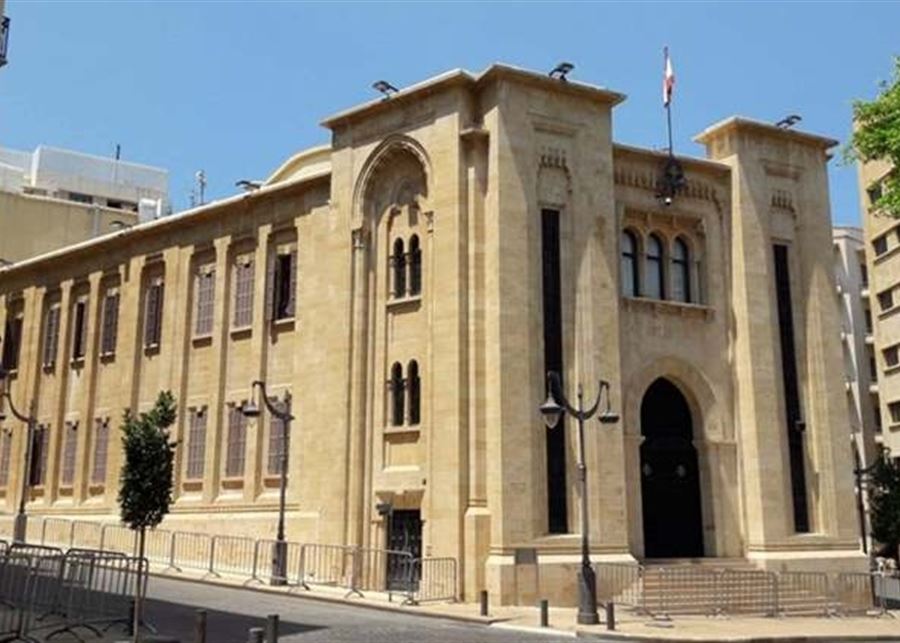
The Finance and Budget Committee held a session chaired by MP Ibrahim Kanaan and in the presence of Finance Minister Yassin Jaber and MPs: Ali Fayyad, George Adwan, Farid Al-Bustani, Simon Abi Ramia, Alan Aoun, Jihad Al-Samad, Fouad Makhzoumi, Ali Hassan Khalil, Ghada Ayoub, Hassan Fadlallah, Michel Moawad, Raji Al-Saad, Salim Aoun, Qabalan Qabalan, Ghazi Zuaiter, Qasim Hashem, Ibrahim Mneimneh, Jimmy Jabour, Paula Yacoubian, Jamil Al-Sayyid, Ayoub Hamid, Melhem Khalaf, Halima Kaakour, Marwan Hamadeh, Mark Daou, Razi Al-Hajj, Wadah Al-Sadiq, Cesar Abi Khalil, Adnan Trabelsi, Amin Sheri, Firas Hamdan, and the Governor of the Bank of Lebanon, Karim Saeed, Director of Legal Affairs at the Bank of Lebanon, Samer Lesha, Advisor to the Minister of Finance, Samir Hammoud, and the Head of the Beirut Bar Association, Imad Martinos, also attended.
After the session, Kanaan said: “Today we resumed the discussion on the subject of the bank restructuring law, after in the previous session we resolved the points of disagreement between the Bank of Lebanon, the IMF and the government. We have moved on to the rest of the articles, and there has been great progress, as we have approved 11 additional articles, and there remain articles on which we will have a session next week, due to the Council of Ministers meeting tomorrow, Thursday.”
He added: “There was complete agreement on the amendments and approvals that took place, in line with international standards and between representatives, the government, and the Bank of Lebanon.”
Kanaan continued: “The implementation of this law is linked to the deposit recovery law, which is called the Gap Law. The basic point and main focus of every financial and monetary reform is the recovery of deposits, which includes the rights of depositors, and the mechanism for recovering these rights, which must be clear. Therefore, I am sending a message to the government, that the amendments that are currently being worked on, and some of their details are emerging to us without an official document regarding them in our hands, the recovery mechanisms in them must be clear and financing must be secure, because the last thing we want is to return to talking about procrastination and defamation. The ball is between the existing authorities, while our people pay the price and our economy pays the price. This issue is not resolved in the House of Representatives alone, but rather the solution is between the government, the House of Representatives, and the IMF, and from this standpoint, we hope that the discussions will be in the interest of the project, its clarity, and securing the rights of depositors, whatever group they belong to.”
Tags:
Ibrahim Kanaan
International Monetary Fund
Finance and Budget Committee
House of Representatives
Bank of Lebanon
← Previous article
The Lebanon Electricity Syndicate warns: No to dismantling the institution