United States
11:00 PM | 14 Aug 2026
“Unprecedented isolation”... an American threat of a naval blockade
Fady Mahouly
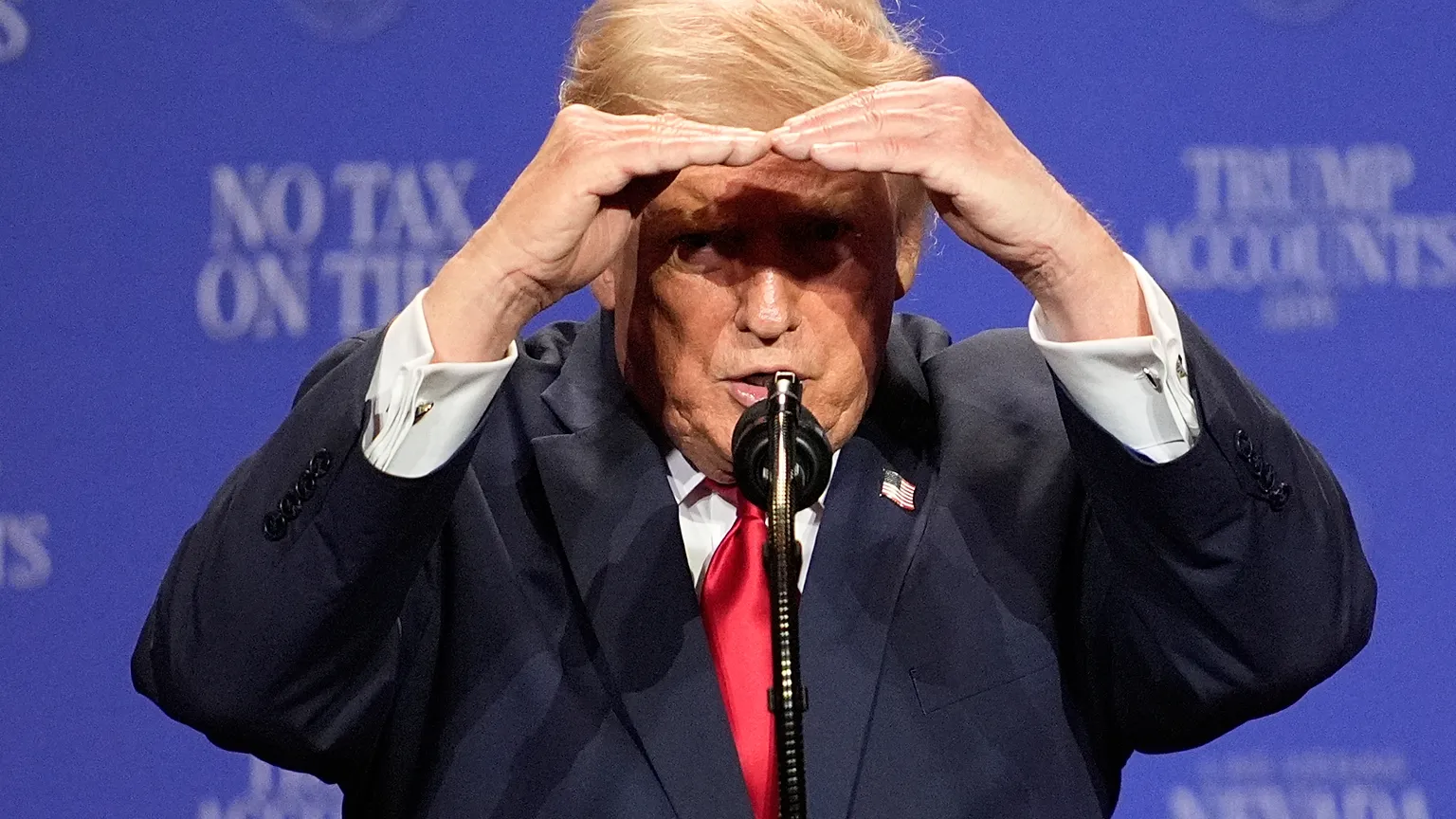
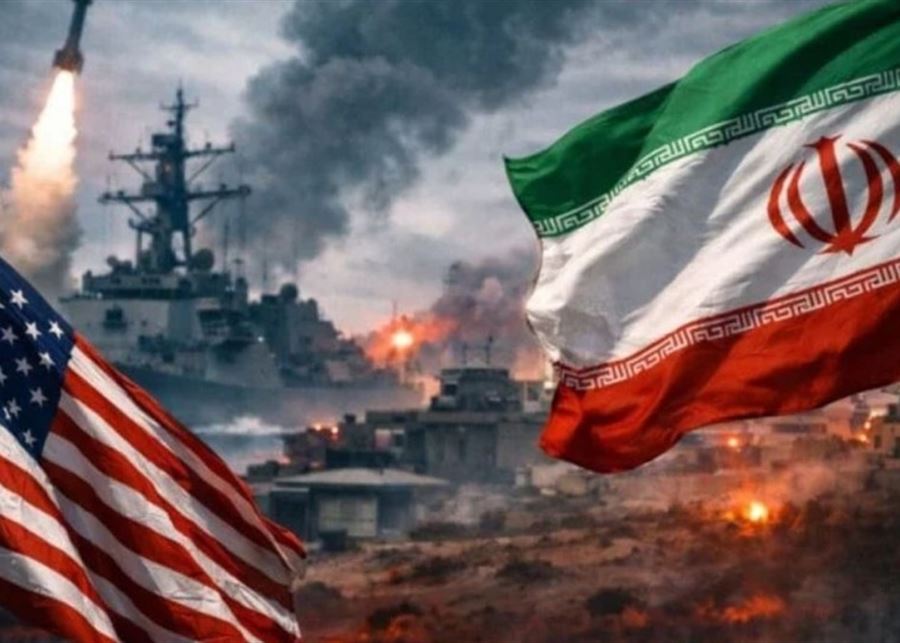
The United States has escalated its pressure on Iran, stressing that more tools are still available, while Tehran has vowed new economic measures that, according to Washington, would impose an unprecedented level of isolation on it.
The White House said that "there are more tools to pressure Iran at our disposal," and that America continues to punish Iran and cripple its economy, after US Treasury Secretary Scott Besent confirmed that the administration of President Donald Trump is preparing to announce additional measures against Iran next week, at a time when diplomatic efforts to end the confrontation are faltering.
In an interview with the Newsmax network, Besant added that the United States will implement measures that are “unprecedented in the history of the economic isolation of a country,” noting that the strategy combines financial pressure and a naval blockade. He explained that the continuation of the blockade will prevent goods from entering or leaving Iranian ports.
Siege "indefinitely"
The threat of new economic measures coincided with US Secretary of War Pete Hegseth confirming the US Navy's ability to continue the blockade for an indefinite period.
Hegseth said, during a visit to Panama, that the Navy can maintain its presence necessary to implement the blockade by rotating ships and forces deployed in the region.
On Friday, the US Central Command (Centcom) announced that it had changed the course of 62 commercial ships since the re-imposition of the blockade, and also disabled 3 ships and boarded two ships to inspect them and ensure compliance with US restrictions.
According to Reuters, Washington lifted the blockade on Iranian ships and ports for a month in mid-June, before re-imposing it later, which increased pressure on one of Tehran's most important sources of foreign currency.
Hormuz is at the heart of the confrontation
The economic escalation comes while shipping traffic through the Strait of Hormuz remains at the heart of the dispute between Washington and Tehran.
In exchange for reopening the Strait, Iran demands the lifting of economic sanctions and the release of its frozen assets, in addition to other demands it put forward during the negotiations.
Data reported by Reuters showed that ship traffic through Hormuz declined to 8 ships on Tuesday, compared to an average of about 12 ships during the previous ten days, and about 130 to 140 ships before the outbreak of war.
On the other hand, the implications for energy markets are increasing. The International Energy Agency expected global oil supplies to decline by 4.3 million barrels per day during the current year, or about 4%.
On August 4, Besant spoke about the possibility of reaching an agreement with Tehran within days to reopen the Strait of Hormuz, but his new statements reflect Washington’s move once again to increase pressure.
It seems that the US administration is betting at the current stage on a combination of the naval blockade and financial strangulation to push Tehran to make concessions, while keeping additional options on the table if negotiations continue to falter.
Tags:
Islamic Republic of Iran
United States of America
Pete Hegseth
Tehran
Strait of Hormuz
Washington
← Previous article
Karam Lakassem: Your bets caused Lebanon's destruction
Related Articles
To protect national security, Trump imposes fees of up to 100% on drones
The US Vice President: We are focusing on the energy file to ensure that Americans can afford oil prices
After a potential threat... Trump reveals: I sneaked out of Air Force One.