Al-Fouani: Dignity does not require permission from the occupier, and sovereignty does not require permission
Fady Mahouly
12:45 · 30 August 2026
3 min read
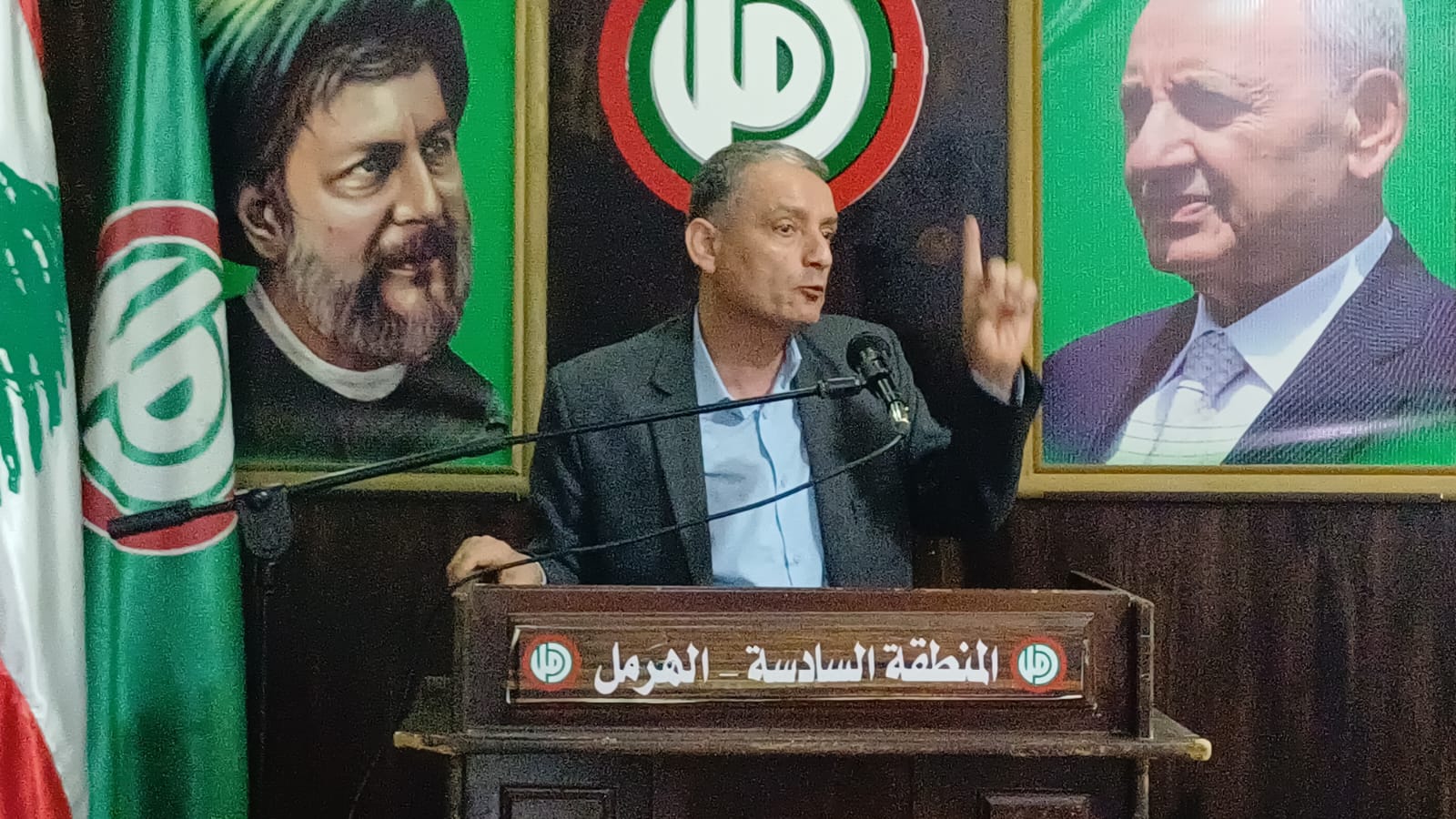
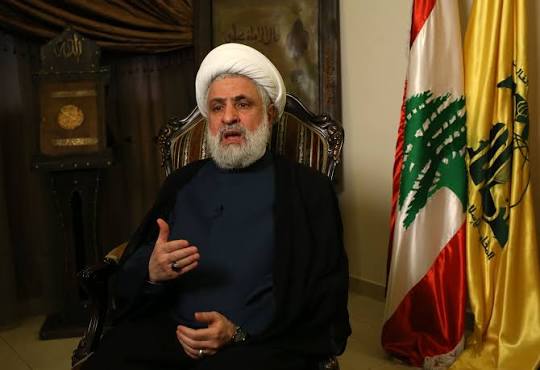
The head of the executive body of the Amal Movement, Mustafa Fawaani, affirmed that confronting the Israeli occupation and protecting Lebanon requires adherence to sovereignty and national unity, noting that “dignity does not ask for permission from the occupier, sovereignty is not begged at the tables of power, and land is not regained with statements.”
He stressed that resistance “is neither an opposition to the state nor a departure from the homeland,” pointing out that Lebanon cannot deal with Israeli attacks as “passing news,” and that continued occupation and aggression do not create peace.
Fouani considered that cohesion with the resistance and its environment is one of the aspects of adhering to the national right, pointing out that sacrifices and pressures will not dismantle the environment that embraced the resistance, and that attempts to hold it responsible for what the occupation commits “will not change its position.”
On the political issue, he saw that the so-called “Framework Agreement” had not yet achieved what was expected of it, and did not provide a practical answer to the continuing Israeli attacks, nor did it provide a real guarantee that protects Lebanon from the logic of force and aggression, warning against turning national rights into “negotiating files open to concessions.”
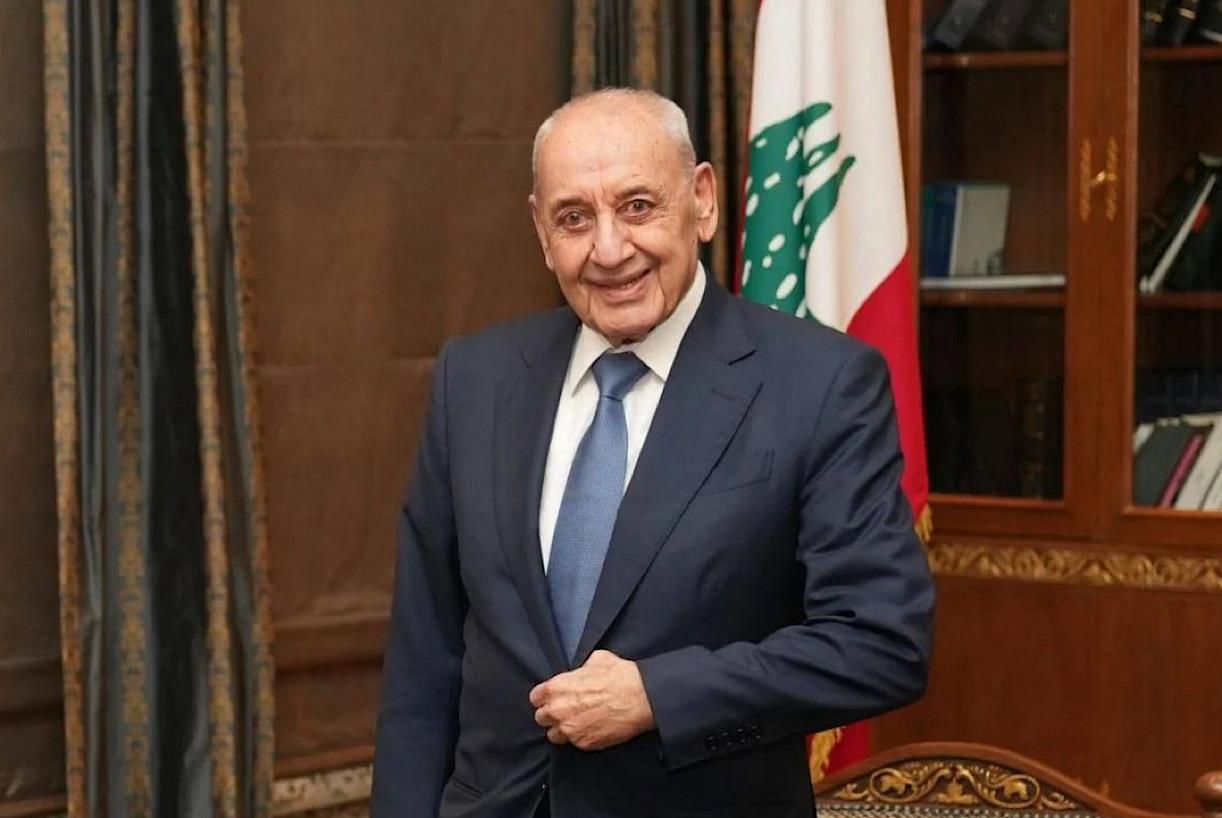
Al-Fouani stressed that President Nabih Berri represents “a guardian of national unity and civil peace,” stressing that his bet was and continues to be on dialogue, partnership, and protecting Lebanon from sliding into strife.
He pointed out that Speaker Berri’s expected speech next Monday, on the forty-eighth anniversary of the disappearance of Imam Musa al-Sadr and his two companions, “is expected to constitute a national road map for the next stage,” in light of the dangers and demands that Lebanon faces, especially the Israeli aggression and the political and national challenges.
Fouani stressed that maintaining civil peace is a “national battle” that requires political will, and that protecting Lebanon does not consist of dismantling its elements of power or igniting strife among its people, but rather by strengthening its unity and adhering to its rights and sovereignty.
He concluded by saying that Lebanon faces a clear choice: “Either it remains a country that unites its people, or it is swallowed up by fanaticism. Either he adheres to his right to his land and his dignity, or he is asked to coexist with the aggression. Either he protects his unity, or he opens his doors to strife.”
← Previous article
Khamenei's message to the countries of the region.. What did it carry?