United States
08:57 AM | 23 May 2026
Fearing Ebola... Washington temporarily prevents entry of green card holders
Fady Mahouly
|
Source: سكاي نيوز عربية
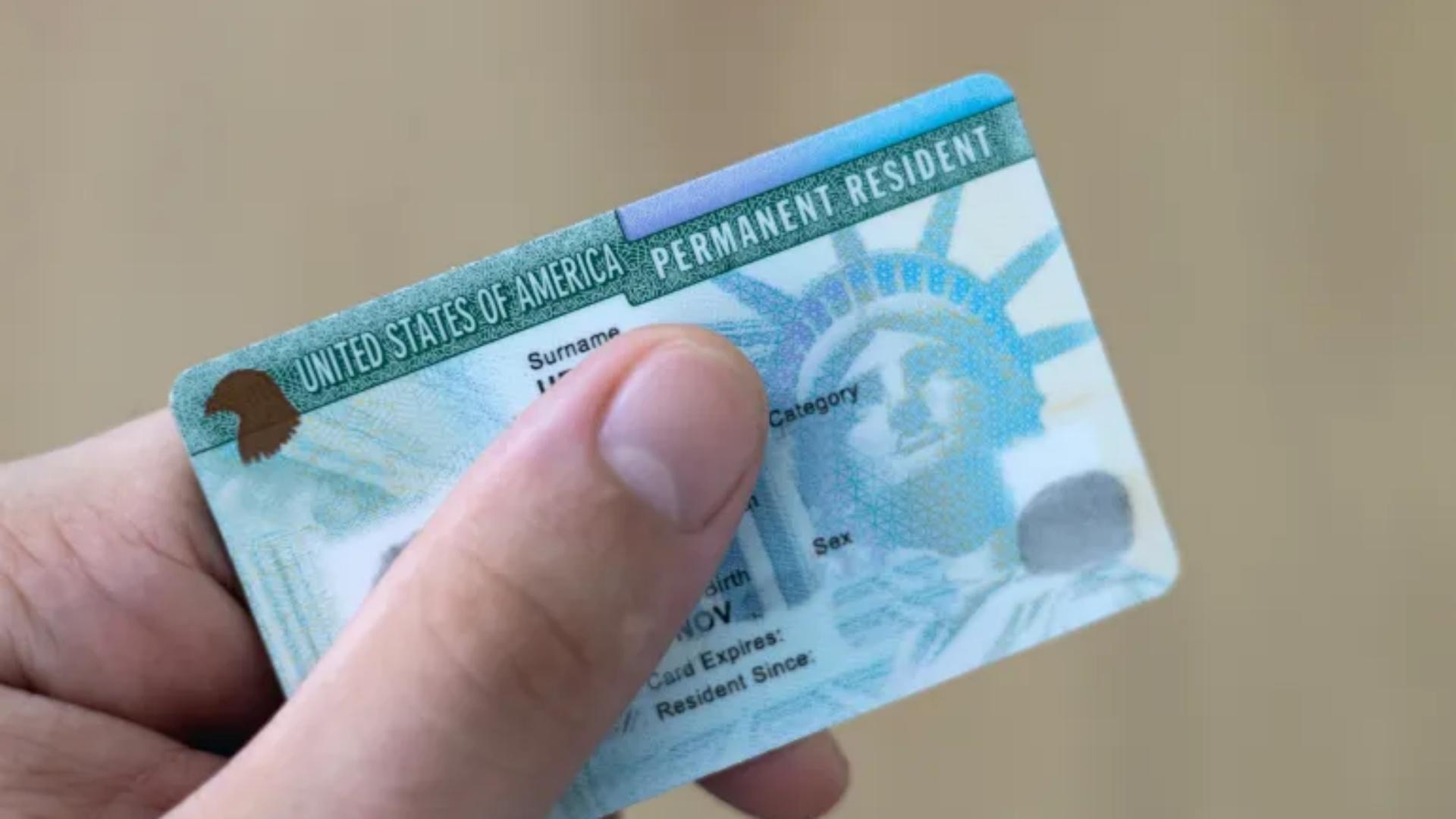
Yesterday, Friday, the United States announced a temporary ban on entry to legal permanent residents, holders of a “green card,” who have been in the Democratic Republic of the Congo, Uganda, or South Sudan during the past 21 days, citing concerns about the “Ebola” virus.
The Centers for Disease Control and Prevention said in a statement: “Applying this authority to lawful permanent residents for a limited period of time provides a balance between protecting public health and managing emergency response resources.”
On Friday, the World Health Organization raised the level of risk of the rare Ebola strain, called Bundibugyo, turning into a local outbreak in the Democratic Republic of the Congo to “very high,” and declared that the outbreak of the disease there and in Uganda represents an emergency of international concern.
The Centers for Disease Control and Prevention issued the order for the first time, Monday, under Section 42 of the US Public Health Act, which allows federal health authorities to prevent immigrants from entering the country to curb the spread of infectious diseases.
Green card holders have always been immune from entry restrictions into the United States, and the Section 42 order issued by the Centers for Disease Control did not apply to them during the Corona pandemic, nor did the various travel bans imposed by US President Donald Trump earlier.