Economy
06:08 PM | 12 Aug 2026
Kanaan: The Finance Committee approved amendments to the Banking Reform Law
Fady Mahouly
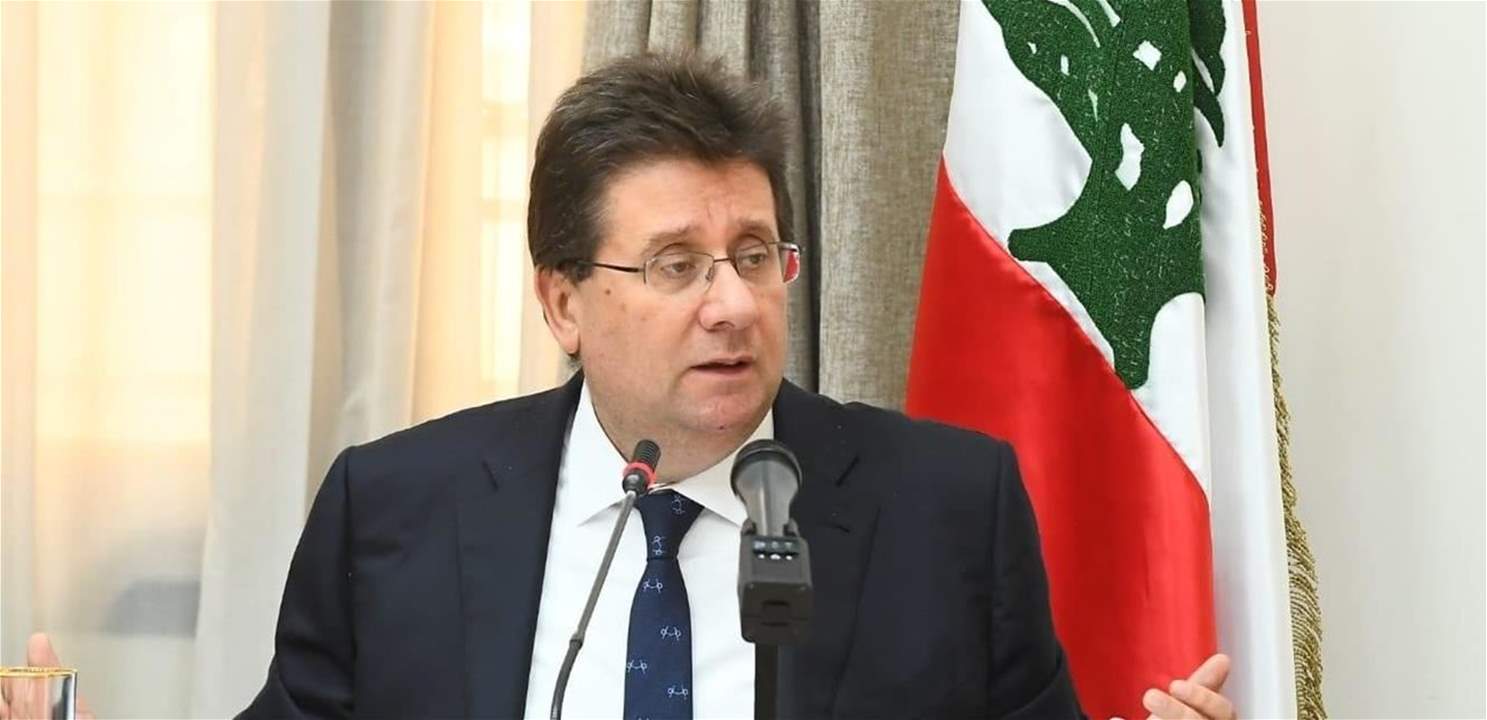
Representative Ibrahim Kanaan announced, after the legislative session, that the banking reform law was approved in accordance with the amendments of the Finance and Budget Committee, with the exception of one article and a paragraph of another article, pointing out that this law is related to the stage after the implementation of the financial regulation and deposit recovery law.
He said: “As the law came from the government, in coordination with the International Monetary Fund, the current crisis was exempted from many terms and conditions, and included within the financial regulation law.”
He added: “We have finished, for the second time, approving the banking reform law, and I hope it will be the last time, because the essence of the solution to the banking, financial and monetary crisis in Lebanon lies in the financial regulation law. Recovering deposits is what restores confidence in the Lebanese economy and the banking system. International trust is required by the IMF and international institutions, but it is not enough if the depositor and investor do not feel that their rights are protected and that they are being dealt with seriously, because this sector needs the confidence of the investor and depositor for the recovery of the economy more than it needs the possibility of borrowing from abroad.
Kanaan stressed that “the government is required to end the reconsideration of the financial regulation law as soon as possible,” and said: “We will have a position next September, and we will not accept continued procrastination in the deposit file.” For the first time in six years, the government’s project includes a mechanism for recovering deposits, which has been a basic requirement of the Finance and Budget Committee since 2020 and what is required to protect the rights of depositors.”
He added: “We will build on the positives, and we must cooperate with the government, because the numbers are in its possession, and auditing the assets of the state and banks in Lebanon and abroad is part of its mission, and not in the possession of the House of Representatives.”
Kanaan continued: “I did not participate in voting on the amnesty law, because there is a precedent that should not be established, which was preventing the Minister of Defense, who is responsible for the military establishment, from expressing his opinion. This is a precedent that should not have happened. We are not against the amnesty, but its approval should have been accompanied by listening to the opinion of the military establishment.”
He concluded: “More than ever, we need to put politics aside, deal with each other with respect, and protect our institutions.”