Politics
06:12 PM | 10 Aug 2026
Jumblatt: The negotiations did not succeed... and the party is a son of the south
Fady Mahouly
|
Source: LBCI
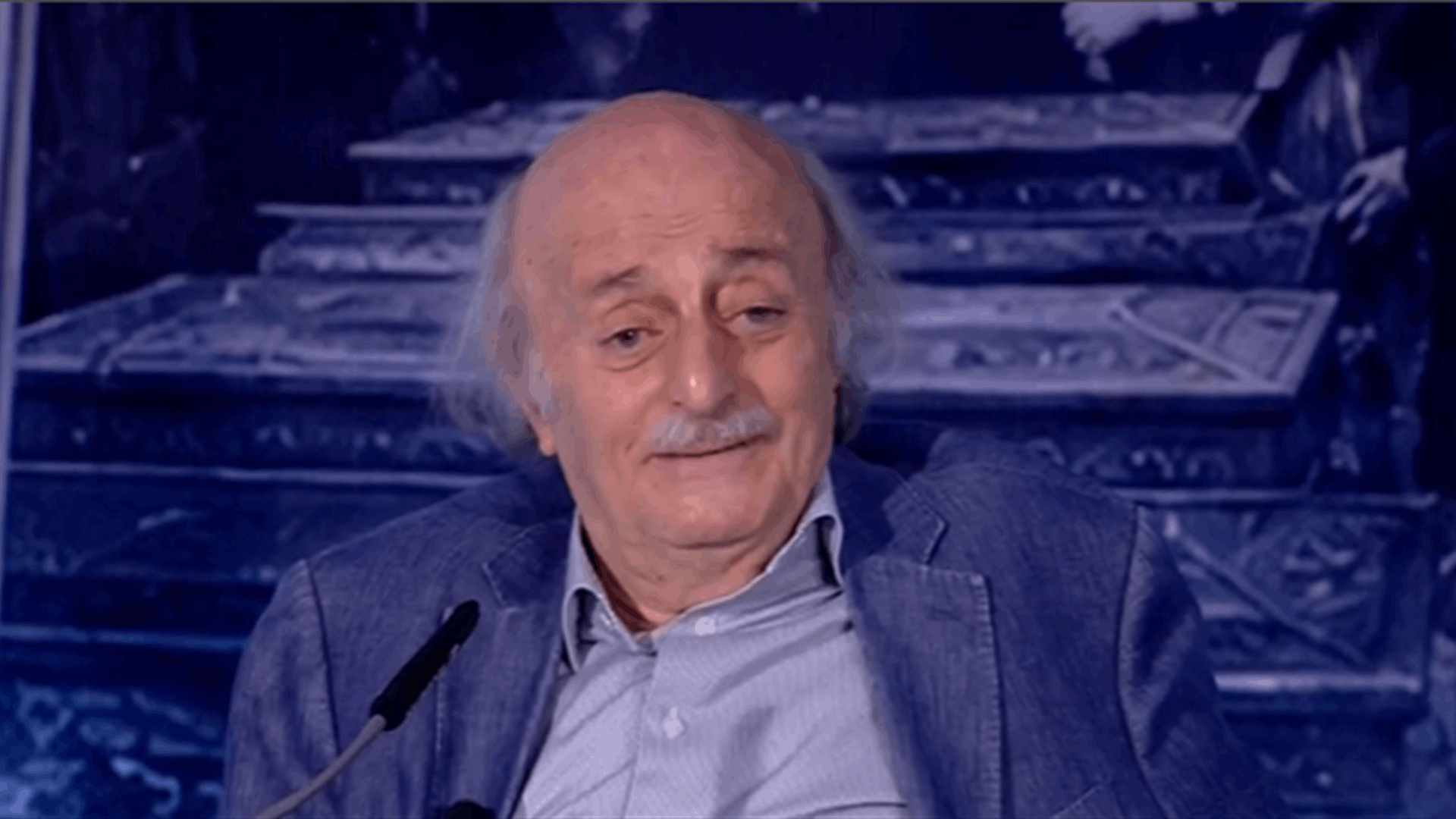
The former head of the Progressive Socialist Party, Walid Jumblatt, affirmed, during the signing ceremony of his memoirs, “Fate in This East,” that “the Taif Agreement cannot be amended, as it opens the horizon for many amendments, and the clause of abolishing political sectarianism cannot be implemented as a result of the Lebanese structure.”
Regarding the relationship with Syria, Jumblatt said: “Improving and strengthening our relationship with Syria is very useful for strengthening national unity in Lebanon.”
In response to a question about Lebanon’s position in light of the new regional alliances, he said: “Let us maintain our destiny in Lebanon and know how to negotiate, strengthen ourselves and our national unity, conduct a dialogue with all parties, and improve our relationship with Syria.”
In response to a question about partition and normalization, Jumblatt said: “I am not afraid of partition, but rather I am afraid of the southern Israeli passion, that is, normalization, and he insisted that Lebanon remain a barrier to it.”
He continued: “I support dialogue, especially in light of what is happening in the region and the tension that began in Bab al-Mandab and the attack on Saudi Arabia. The entire region is going to horrors, and the Arabs will pay the greatest price.”
Regarding the negotiations, Jumblatt said: “We went to the negotiations and I was a supporter of it, but we entered with a weak card and the agreements should have been adhered to, especially the “truce.”
He stressed that “the Palestinian right is the basis of the Arab right.”
Jumblatt said: “We do not know what is the basic aggression against the land of Palestine, Lebanon, Syria, and the future of Jordan and the Arab region. The American ambassador to Israel said that whoever wants Palestine should go to Lebanon, Jordan, and Saudi Arabia, and we must see where we are going and be patient.”
Regarding the negotiating path with Israel, he said: “We have the armistice agreement that has nurtured Lebanese-Israeli relations since 1949 and was mentioned in the Taif Agreement and international resolutions. We had to start with the foundations before moving on to small points and experimental areas.”
Regarding Hezbollah, Jumblatt said: “Where is the Hezbollah fighter from? He is a son of Lebanon and from the south, and he is not a stranger to this country.”
Regarding the assassination of Kamal Jumblatt, he said: “Hafez al-Assad used minorities and controlled through his minority. He also killed some of his comrades and exiled others, while Kamal Jumblatt rejected the Syrian intervention in Lebanon and the control it meant over Lebanon and the independent Palestinian decision.”